
Every year the pattern repeats. The weather heats up, the AC runs longer, and the bill from DEWA, the Dubai Electricity and Water Authority, climbs. Some of that increase is unavoidable: in most Dubai homes, air conditioning is the biggest user of electricity in summer, and the heat simply asks more of it. But part of the rise often comes from an AC that is working harder than it needs to, and much of that can be fixed.
You pay for the electricity you use, so anything that makes your system run longer for the same comfort shows up on the bill. These are the usual culprits.
Dirty filters and coils
Dust is the most common cause of wasted energy. Clogged filters restrict airflow, so the fan works harder and less air passes over the cooling coil. Dust on the coil itself acts like a blanket, slowing the transfer of heat. The result is a system that runs for longer to reach the same temperature.
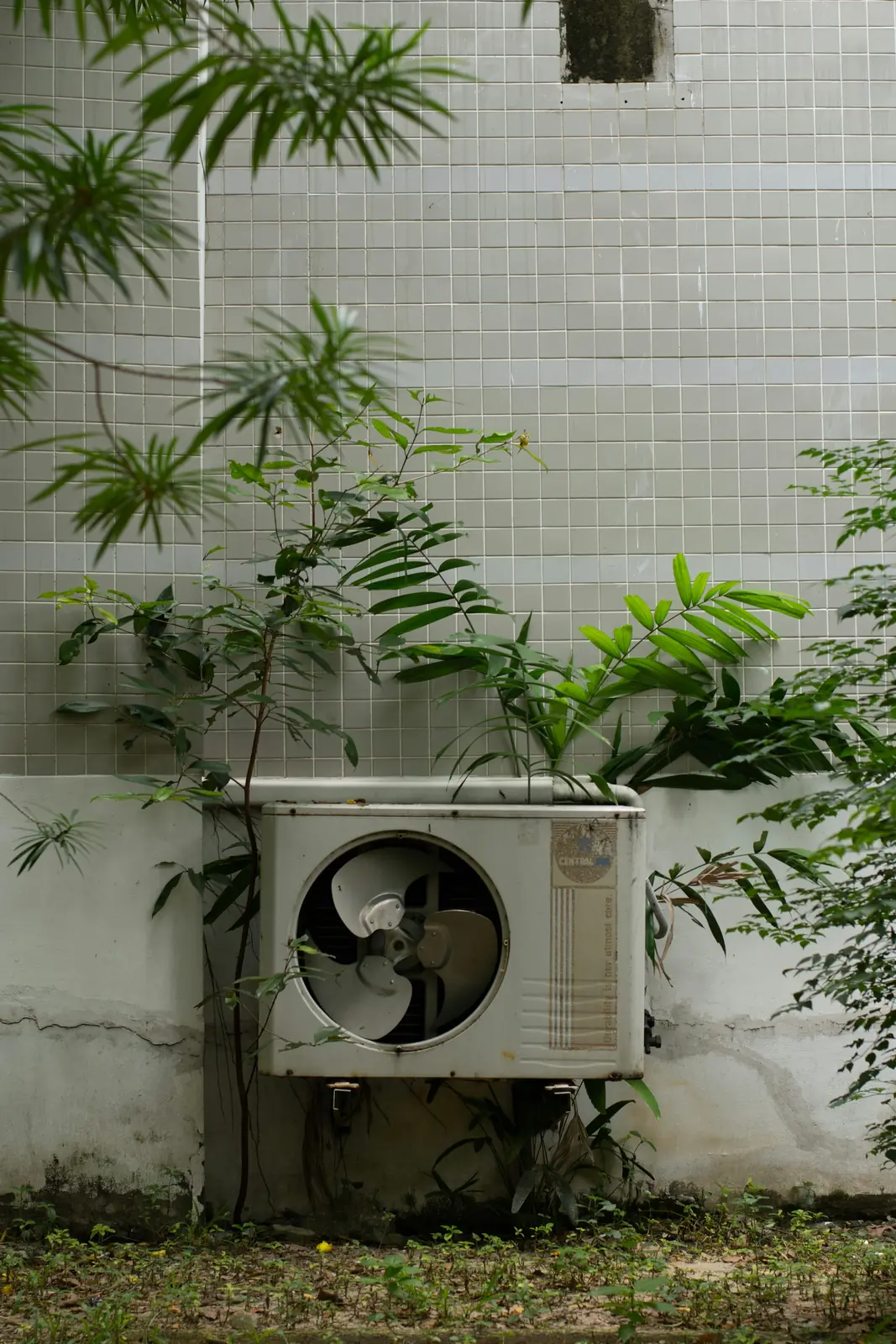
The outdoor unit matters too. Condenser coils on balconies and rooftops collect sand, leaves and feathers. A clogged condenser struggles to get rid of heat, and that hurts most on the hottest afternoons, exactly when you need it to perform.
Refrigerant problems
An AC that is low on refrigerant does not just cool a little less. It runs for longer, may never quite reach the setpoint, and puts extra strain on the compressor. Refrigerant is not used up in normal operation, so if the level is low there is a leak. It should be found and repaired, not simply topped up every summer. Warning signs include ice on the pipework, a hissing sound near the unit, or air that is cool but never properly cold.
Leaking ducts
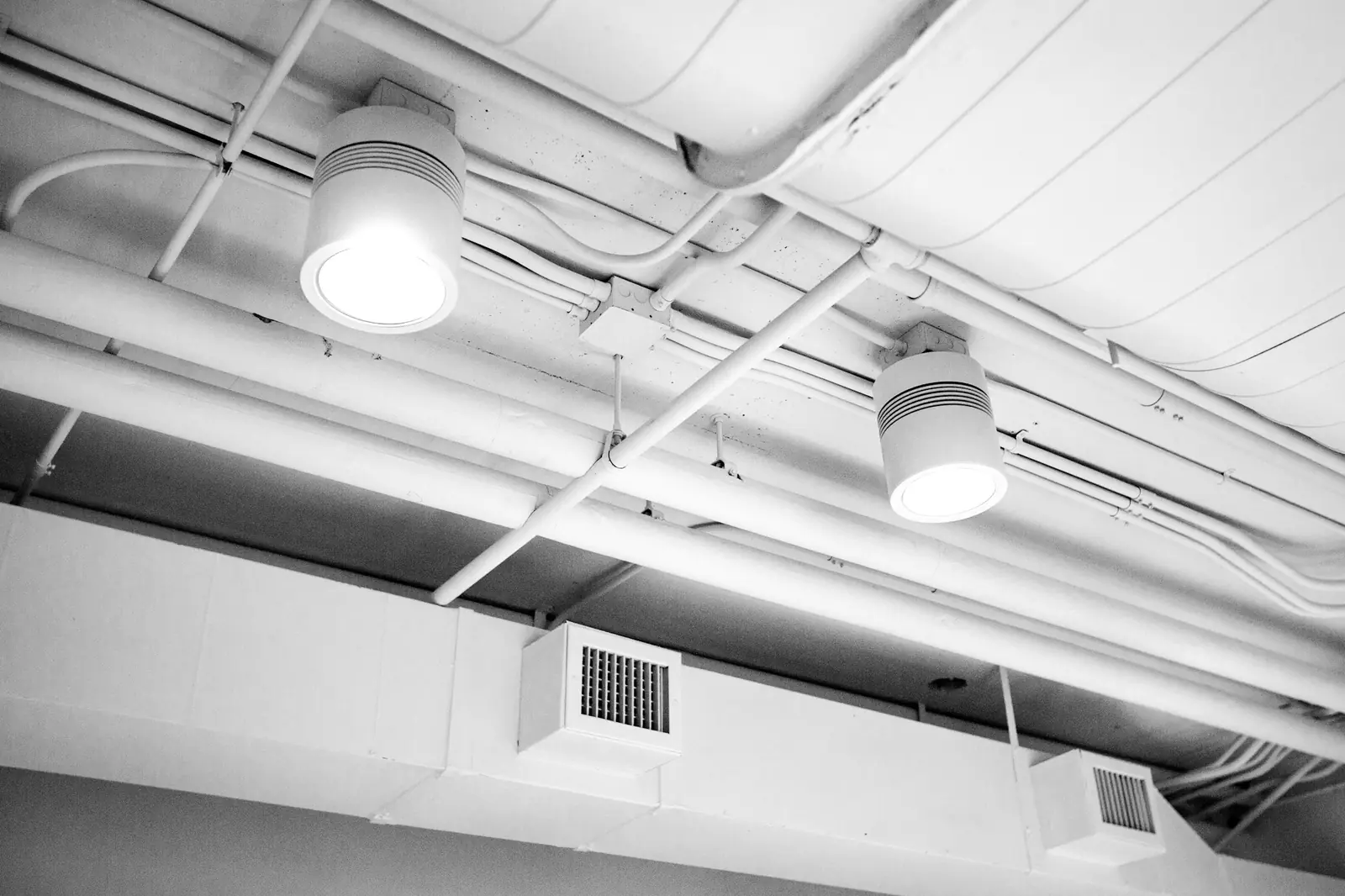
In ducted systems, cooled air can escape through gaps at joints, damaged insulation or poorly sealed connections, especially where ducts pass through hot ceiling voids or roof spaces. You are paying to cool air that never reaches the room. Condensation stains on ceilings near duct runs, or one room staying warm while others are cold, can point to this.
Setpoints and habits
Setting the thermostat very low does not cool a room faster. It only makes the system run longer before it switches off. Many people find a setting in the mid-twenties comfortable, particularly with a ceiling fan moving the air, and every degree lower adds to the work your AC does over a long summer.
A few habits also make a difference:
- Close doors to unused rooms so you are not cooling empty space.
- Keep windows and balcony doors shut while the AC is running.
- Keep furniture and heavy curtains clear of vents and return grilles.
- Avoid running ovens and dryers in the hottest part of the day where you can.
Thermostat scheduling
If your thermostat has a timer or schedule, use it. Set a higher temperature for the hours when the home is empty, and bring it back down shortly before you return. At night, cool the bedrooms you are using rather than the whole villa. Smart thermostats make this easier, but even a basic timer helps.
Check where the thermostat is mounted, too. If it sits in direct sun or next to a lamp or television, it will think the room is warmer than it is and keep the AC running.
Sun-facing rooms
West- and south-facing rooms take the full force of the afternoon sun, and large windows let in a great deal of heat. Blackout or reflective blinds, closed during the hottest hours, reduce the load on the AC. Solar control film on the glass is another option, subject to your building's rules. If one room is always hard to cool, the unit serving it may be undersized for the heat it receives, or simply in need of attention.
Practical steps that help
- Check and clean filters regularly in summer, and after any sandstorm.
- Have the indoor and outdoor coils cleaned before the hottest months.
- Ask your technician to check refrigerant pressures and look for leaks.
- In ducted homes, have joints and insulation checked for leaks.
- Combine moderate setpoints, a schedule and ceiling fans.
- Shade sun-facing windows through the afternoon.
- Compare each bill with the same month last year. A sharp jump in similar weather often means something is wrong.
Regular AC maintenance deals with most of these problems before they show up on your bill. Our energy saving service goes further, looking at the whole system, from coils and ducts to controls and settings, to find where cooling is being wasted.
Summer bills will always be higher than winter ones, but a clean, correctly charged, well-sealed system with sensible settings keeps the rise in check. If your bill has jumped and you cannot see why, airnuvia offers a free inspection to check whether your AC is the cause.